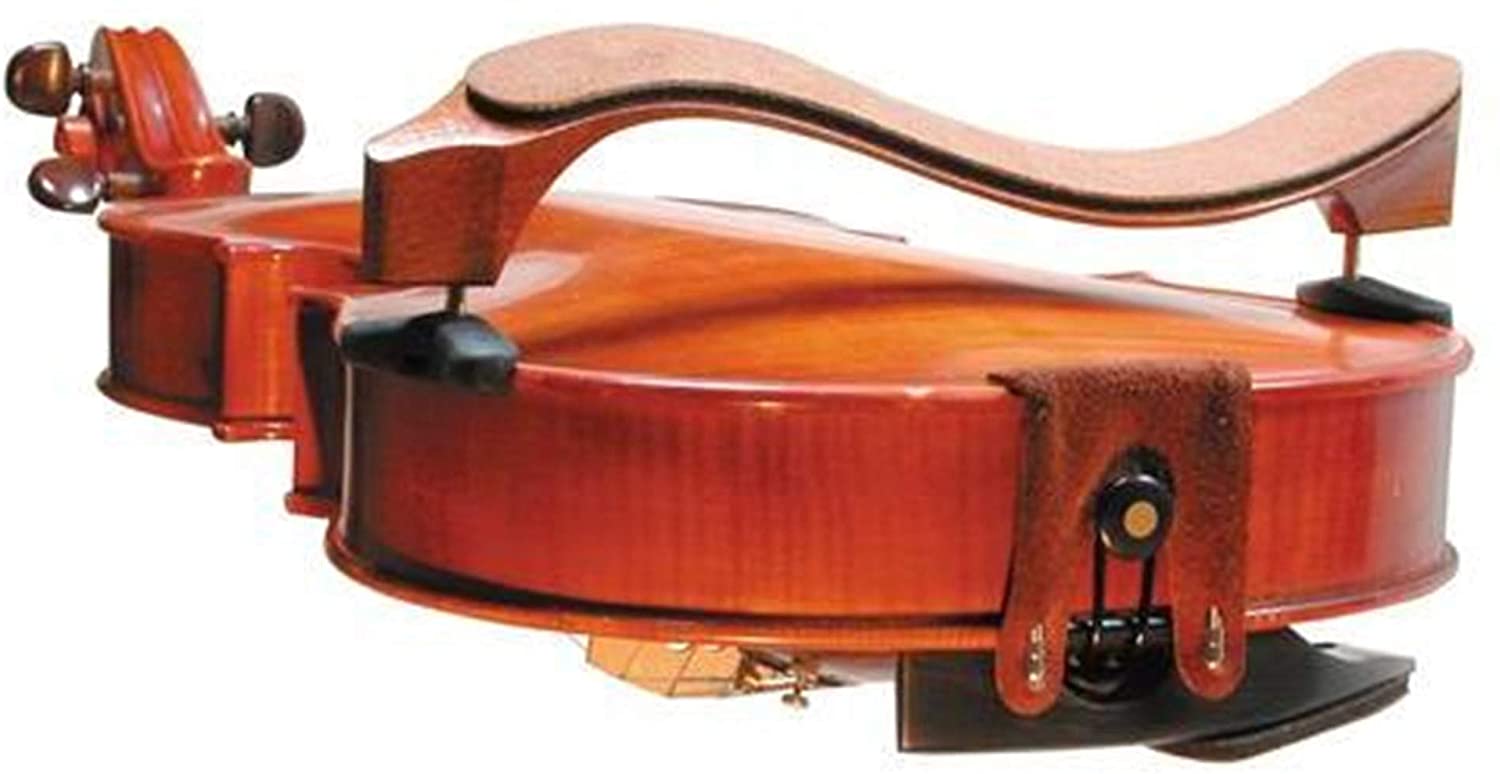
Best Viola Shoulder Rest
Finding the right shoulder rest for your viola is one of those setup decisions that affects everything — posture, comfort during long rehearsals, left-hand freedom, and even how secure the instrument feels under your chin. Unlike violins, viola sizes are less standardized (ranging from 15 to 17 inches), which means a shoulder rest that works on one instrument may not fit another. Getting this right matters.
This guide covers the shoulder rests that viola players actually use and recommend, organized by type so you can zero in on what suits your playing style and body.
If you also play violin, our guide to the best violin shoulder rests covers the equivalent options for that instrument.
Do You Really Need a Viola Shoulder Rest?
Most violists do. The viola’s taller ribs and heavier body make it harder to hold securely than a violin, and playing without support puts strain on the neck and jaw that compounds over hours of practice.
A shoulder rest helps with:
- Stabilizing the instrument so you are not gripping with your chin and left hand
- Reducing neck and shoulder tension that leads to pain and injury over time
- Freeing your left hand for shifting and vibrato without worrying about dropping the viola
- Maintaining proper posture through the back and spine
Some advanced players do go restless, but it requires specific technique and often a custom chinrest setup to compensate. If you are a beginner or intermediate player, start with a shoulder rest and experiment from there. The American Viola Society has resources on proper viola setup if you want to dig deeper into ergonomics.
How to Choose a Viola Shoulder Rest
Before buying, you need to know two things: your viola size and your body proportions. A player with a long neck needs a different rest than someone with a short neck and broad shoulders. Here is what to evaluate.
Shoulder Rest Type
Shoulder rests fall into three broad categories:
- Flexible/bendable — Metal or wood frames you can shape to match your shoulder contour. Best for players who want maximum customization. Examples: BonMusica, Wolf Forte Secondo, Pirastro KorfkerRest.
- Pre-formed — Rigid plastic or wood with adjustable feet. Less customizable but reliable and consistent. Examples: Kun Original, Everest EZ, Kun Bravo.
- Foam/sponge pads — Minimal support, maximum freedom. Good for players who want something between restless playing and a full shoulder rest. Examples: AcoustaGrip, PolyPad.
Neck Length and Body Type
This is the single most important factor and the one most guides underplay. If you have a long neck, you need a shoulder rest that adjusts tall — the BonMusica and Wolf Forte Secondo both extend higher than most pre-formed options. If you have a short neck, a low-profile rest like the Everest or a foam pad may be all you need.
A tip from professional violists on Violinist.com: whatever you use for viola should generally sit lower than what you use for violin, since the viola’s ribs are taller and already add height.
Viola Size Compatibility
This trips people up. Many shoulder rests designed for violin do not fit violas, and even viola-specific models may not span the full range of sizes. Check the width range before you buy — a 15-inch viola has a meaningfully different lower bout than a 16.5-inch instrument. Some rests (like the Kun Original) have known issues fitting 14-inch violas or very small cases.
Weight
Violas are already heavier than violins, so every gram counts. The Pirastro KorfkerRest weighs just 40 grams, while the BonMusica comes in at 109 grams. That difference is noticeable after an hour of playing.
Sound Impact
There is a longstanding debate about whether shoulder rests dampen the sound of a string instrument. Plastic and rubber rests do absorb some vibration from the back plate. Wood shoulder rests (like the Kun Bravo or Pirastro KorfkerRest) tend to be more acoustically transparent, and some players report a noticeable improvement in resonance. For most players at most levels, the difference is subtle — comfort and posture will affect your sound more than shoulder rest material.
Best Flexible Viola Shoulder Rests
Flexible rests let you bend the frame to match your shoulder shape. They require more setup time but reward you with a truly custom fit.
BonMusica Viola Shoulder Rest
The BonMusica is the shoulder rest violists reach for when nothing else fits right. Its bendable metal frame hooks over the shoulder rather than just resting on it, which gives a level of security that standard rests cannot match.
What makes it stand out: The entire frame can be bent by hand to conform to your specific shoulder shape. Height and width are both adjustable, and it extends taller than most competitors — making it one of the best options for players with long necks. The rubber-coated grippers help protect your viola’s varnish while maintaining a solid hold.
Watch out for: There is exposed metal (screws and nuts) underneath that can scratch your instrument if you are not careful putting it on and taking it off. The foam padding is thin and degrades faster than you would expect. It is also bulky enough that it may not fit in every viola case. Order a size up from what you think you need — the BonMusica runs tight.
Available in half-inch increments from 15 to 17 inches.
Wolf Forte Secondo Viola Shoulder Rest
The Wolf Forte Secondo offers similar bendable-metal customization to the BonMusica but without the hook-over-shoulder design. It sits on the shoulder like a traditional rest, with a curved bar you can shape to your body.
What makes it stand out: Highly adjustable height, width, and tilt. Durable construction. It is the most affordable option in the flexible category while still offering genuine ergonomic customization. The Wolf line also includes the Primo (straight bar) and Superflex models if you want variations on the same concept.
Watch out for: Can be fiddly to adjust — the mechanism is not as intuitive as some competitors. Some players report it occasionally slipping off during aggressive playing. It does not adjust as low as some pre-formed rests, so players with very short necks may find it too tall at its minimum setting.
Pirastro KorfkerRest Model 2
The KorfkerRest is the premium option — a maple wood shoulder rest with cutout holes that allow the viola’s back plate to vibrate more freely. It is beloved by professionals for both its weight (40 grams) and its acoustic transparency.
What makes it stand out: The bendable maple wood frame conforms to your shoulder shape. At 40 grams, it is the lightest option on this list by a wide margin. The wood construction and open design genuinely improve resonance compared to plastic rests, which is why it shows up on professional setups. Collapsible feet make storage easier than you would expect for a premium rest.
Watch out for: This is by far the most expensive shoulder rest you can buy. The feet become wobbly when extended too far, so it works best as a low-to-medium height rest. The foam pads wear out every few months and need replacing. There is no padding in the center of the rest, which some players find uncomfortable.
Best Pre-Formed Viola Shoulder Rests
Pre-formed rests are the most popular category. They are reliable, affordable, and work well for the majority of players. The tradeoff is less customization — you cannot reshape the body of the rest.
Kun Original Viola Shoulder Rest
The Kun Original is the default recommendation for a reason. It has been around for decades, it is widely available, and the contoured shape fits most shoulder types comfortably right out of the box.
What makes it stand out: The anatomically curved body sits naturally on the shoulder without much adjustment. Thick rubber feet protect your viola’s varnish. Height and tilt are adjustable. Replacement parts are readily available online, so a broken foot does not mean buying a whole new rest. It is one of the lighter pre-formed options at about 64 grams.
Watch out for: The number-one complaint across forums is that the Kun falls off the instrument, especially on larger violas. If this happens, consider the Kun Super, which offers finer width adjustments for a more secure grip. The original also does not collapse, so it may not fit in compact cases.
Everest EZ Viola Shoulder Rest
The Everest is a direct competitor to the Kun Original and the personal favorite of many professional violists. Its sturdy rubber feet and secure grip make it a reliable daily player.
What makes it stand out: Excellent grip — the rubber feet hold firmly on most violas without slipping. The foam padding is comfortable out of the box. Height and width are adjustable. Sturdy ABS plastic construction holds up well over years of use. If you need more height, Everest sells taller replacement feet separately.
Watch out for: The pre-formed shape cannot be bent or reshaped. If the contour does not match your shoulder, there is not much you can do about it. The rest does not extend very tall in its stock configuration, which can be limiting for long-necked players (hence the taller feet accessory).
Available for 15 to 16.5 inch violas.
Kun Bravo Viola Shoulder Rest
The Kun Bravo is the premium version of the Kun Original, built with a hardwood body instead of plastic. It appeals to players who want better acoustics from their shoulder rest without stepping up to the KorfkerRest’s price bracket.
What makes it stand out: The maple wood body is acoustically superior to plastic — it lets more of the viola’s natural resonance come through. It looks and feels noticeably more refined than the standard Kun. The same adjustable foot design as the Original, with solid build quality throughout.
Watch out for: The hardwood body is rigid and less forgiving than plastic if the shape does not suit your shoulder. It is heavier than the Original. The premium materials put it in mid-range pricing territory, and some players feel the sound improvement does not justify the step up from the standard Kun.
Best Foam and Sponge Options
If you find traditional shoulder rests too bulky or restrictive, a foam pad might be the answer. These sit between restless playing and a full shoulder rest.
AcoustaGrip Concert Master
The AcoustaGrip uses a tacky foam material that adheres directly to the back of the viola without feet or clamps. It provides minimal lift and maximum instrument freedom.
What makes it stand out: No feet digging into your instrument’s edge. No clamps. Just a foam pad that grips through friction and sits on your shoulder. It does not interfere with the back plate’s vibration the way clamped rests can. It fits in any case because it is essentially flat.
Watch out for: It provides very little height, so it only works well for players with short necks or those who are transitioning away from a traditional rest. The grip can weaken over time and needs occasional cleaning to stay tacky.
Artino Magic Pad
A popular alternative to the AcoustaGrip that works on the same principle — a foam pad with no feet or hardware.
What makes it stand out: Slightly different foam formulation that some players prefer for grip. Available in different thicknesses. Affordable and easy to try without committing to an expensive purchase.
Watch out for: Same limitations as any foam rest — minimal height, gradual grip loss, not enough support for players who need the instrument held firmly in place.
Setting Up Your Shoulder Rest Properly
Buying the right shoulder rest is only half the equation. How you position it matters just as much.
Placement: The shoulder rest sits on the lower bout of the viola, with one end near your collarbone and the other end resting on your shoulder. Most players position the collarbone-side foot closer to the chin rest and angle the shoulder-side foot toward the back of the shoulder.
Height adjustment: Start with both feet at medium height. If your chin feels strained reaching the chin rest, raise the feet. If the instrument feels too high and your bow arm has to reach, lower them. Many players set the two feet at different heights — typically higher on the shoulder side and lower on the chest side.
Tilt: Angling the rest so the viola tilts slightly toward the fingerboard can make shifting easier. Experiment with small adjustments — a few degrees makes a real difference.
Chin rest pairing: Your shoulder rest and chin rest work as a system. Changing one often means adjusting the other. If you are experiencing pain or instability, address both rather than just swapping shoulder rests repeatedly.
How We Chose These Recommendations
We evaluated shoulder rests based on community feedback from forums like Violinist.com and r/Viola, professional violist recommendations, build quality, adjustability range, and long-term durability. We avoided rests with widespread reports of reliability issues or poor fit on standard viola sizes.
Every player’s body is different, so there is no single “best” shoulder rest. If possible, visit a local luthier or string shop where you can try several options on your own instrument. What feels right in your hands for five minutes is worth more than any review.
Related Guides
If you are setting up a viola or building out a string instrument collection, these guides may help:
- Best Violin Shoulder Rests — the equivalent guide for violin players
- Best Cellos — for players considering a second string instrument
- Best Violin Cases — many viola cases share the same design principles
- Best Violin Bows — bow selection fundamentals that apply across the string family