Top Music Cities in the U.S. for Aspiring Musicians and Music Lovers
Not every city that calls itself a “music city” earns the title. Some have the history but lost the venues. Others have the venues but price out the musicians who fill them. This guide covers the U.S. cities where music actually thrives today, whether you want to build a career, catch live shows, or just understand how American music got where it is.
Each city is evaluated on what matters: the strength of the live scene, genre diversity, affordability for working musicians, access to studios and industry infrastructure, and the depth of musical heritage that feeds it all.
Nashville, TN: Music City
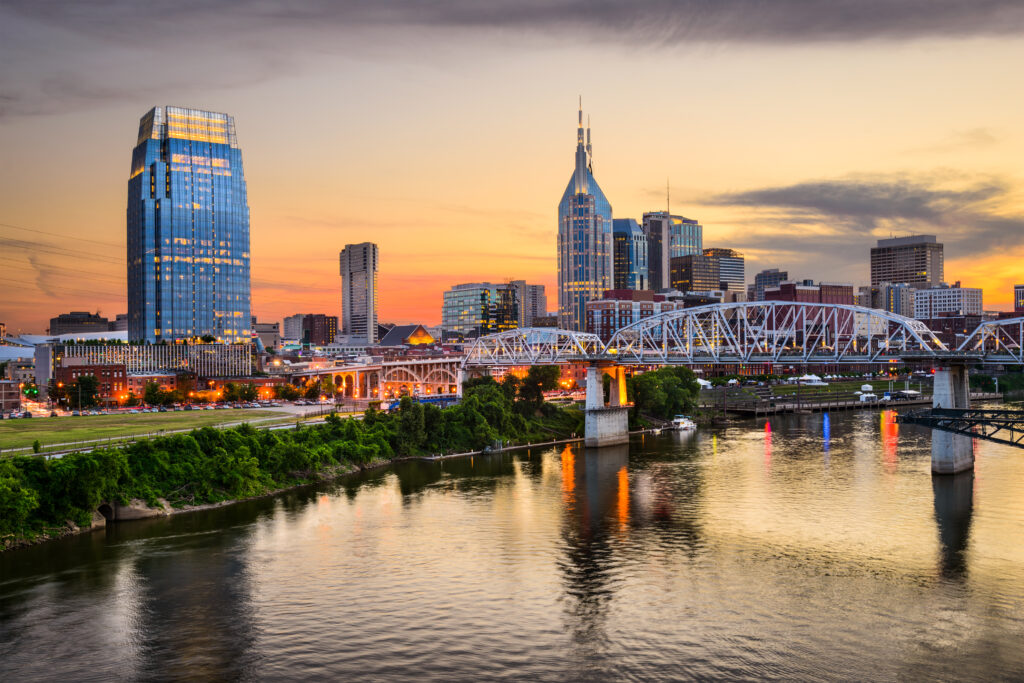
Nashville consistently ranks as the top U.S. city for musicians by every measurable metric. According to Insurance Canopy’s 2025 analysis, it leads with 4.66 music venues per 100,000 residents and 127 full-time musicians per capita, more than any other major metro area.
The city goes well beyond country music. Broadway’s honky-tonks get the tourist traffic, but the real action is spread across neighborhoods. East Nashville has a strong indie and Americana scene. Five Points hosts punk and goth nights at venues like the East Room. The Bluebird Cafe remains one of the best songwriter-in-the-round rooms in the country, and the Grand Ole Opry still draws major acts every weekend.
For aspiring musicians, Nashville offers practical advantages. The cost of living is lower than LA or New York. The city has a dense concentration of recording studios, publishing houses, and session musician networks. The National Museum of African American Music opened in 2021, adding a much-needed spotlight on the gospel, blues, R&B, and hip-hop traditions that shaped the city alongside country.
The downside: Nashville’s rapid growth has pushed rents up significantly in recent years, and the sheer number of talented musicians competing for gigs means standing out requires real effort.
New York City, NY: The Melting Pot of Sound
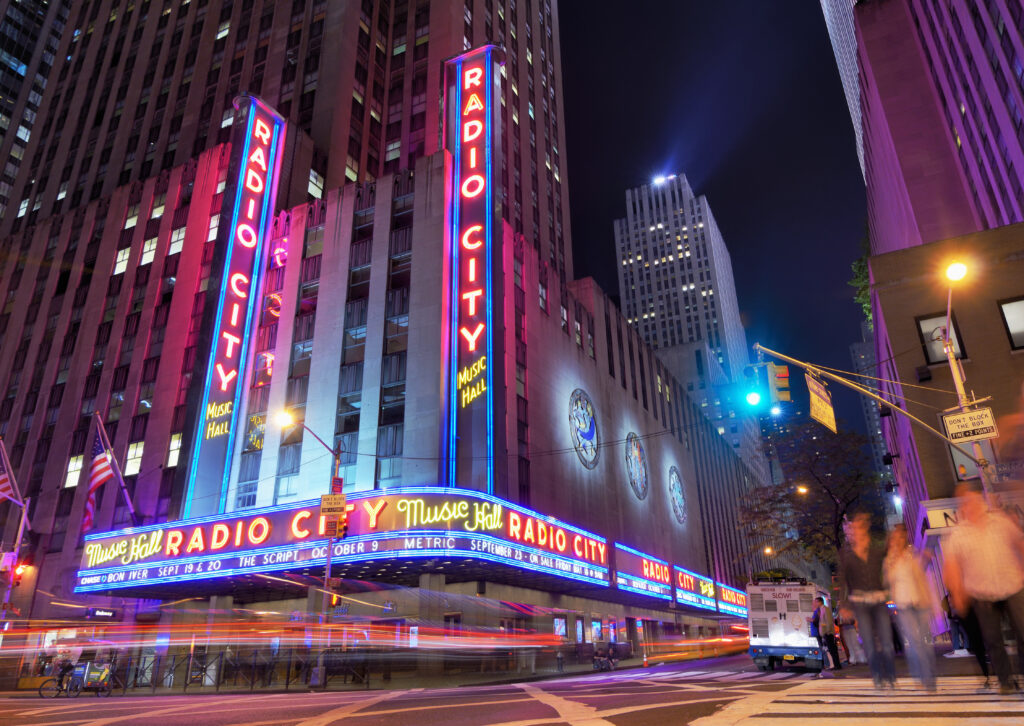
New York is where genres collide. Hip-hop was born in the Bronx in the 1970s. Punk exploded at CBGB in the same decade. The jazz tradition runs from Harlem’s Cotton Club era through to the Village Vanguard, which has hosted live sets every Monday since 1935. No other American city covers this much ground.
The venue ecosystem is enormous. The Bowery Ballroom and Mercury Lounge anchor the mid-size indie circuit. Brooklyn Steel and Elsewhere have become essential stops for touring artists. Small bars in Bushwick and Ridgewood host experimental shows most nights of the week. And the Universal Hip Hop Museum, which opened in the Bronx in 2024, gives the genre’s history a permanent home.
For working musicians, New York is a double-edged sword. The audience is there. The industry connections are there. But the cost of living is punishing. Average rent for a one-bedroom in Manhattan exceeds $3,500/month, and even Brooklyn and Queens have gotten expensive. Musicians who make it work here typically piece together income from gigs, session work, teaching, and side jobs.
Los Angeles, CA: The Entertainment Capital
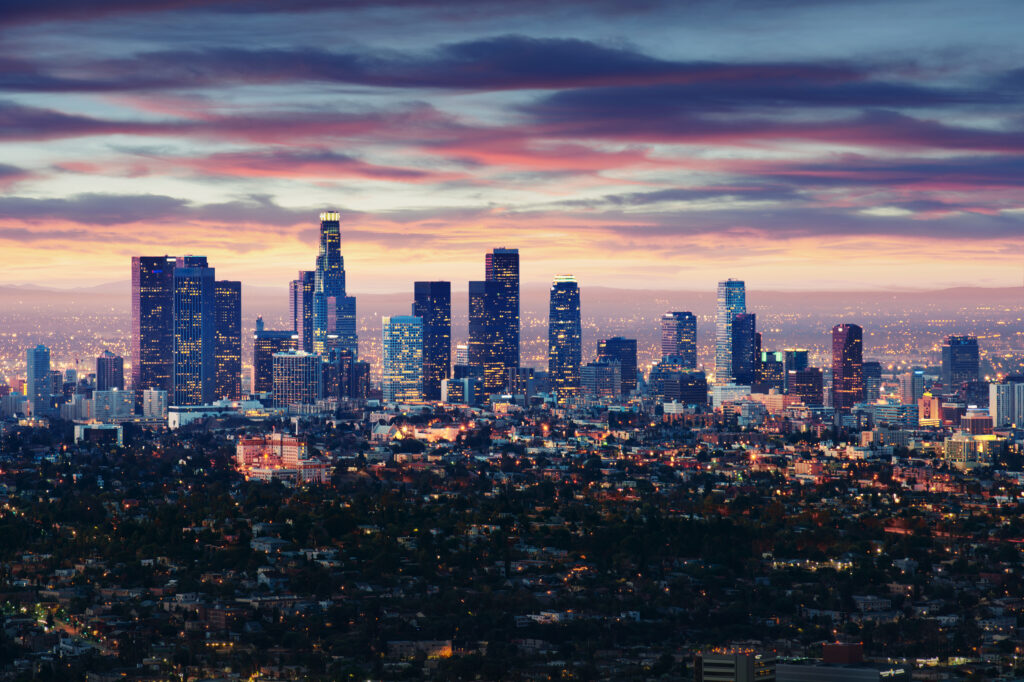
LA’s music economy is different from Nashville’s or New York’s. The highest-paying musician jobs here are in music production, film scoring, recording, and licensing rather than live performance. According to Insurance Canopy’s data, the average weekly wage for musicians in LA is $4,514, the second highest in the country, but that figure is driven by studio and industry work rather than club gigs.
The live scene is still strong. The Troubadour and The Roxy on Sunset Strip have decades of history. The Echo and Echoplex in Echo Park anchor the indie scene. Zebulon in Frogtown has become a go-to for experimental and jazz-adjacent acts. DIY warehouse shows in downtown LA and surrounding neighborhoods keep the underground alive.
Silverlake, Highland Park, and Echo Park each have distinct musical identities. The genre range is as wide as the city itself: Latin music in East LA, Korean pop and hip-hop in Koreatown, punk in the South Bay, electronic music everywhere.
The barrier to entry is cost. LA is expensive, and the sprawl means you need a car. But for musicians aiming at careers in recording, production, or sync licensing, no other city offers the same density of opportunities.
Austin, TX: The Live Music Capital of the World
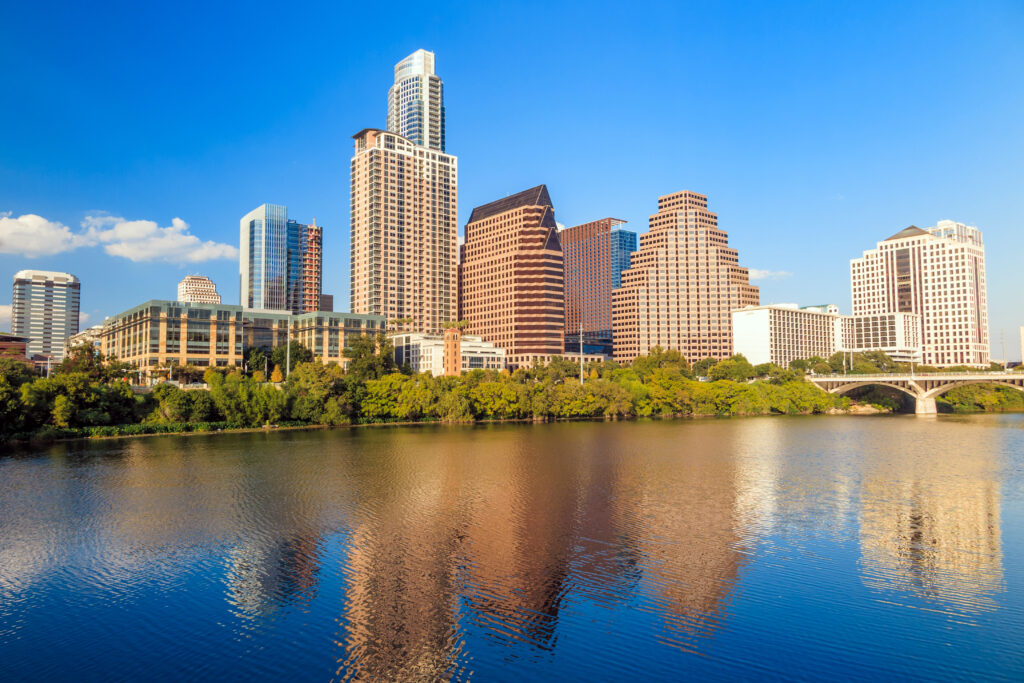
Austin earned its “Live Music Capital” title through sheer density. Research from Clever Real Estate found it has roughly five concert venues per 100,000 residents, nearly double the national average. On any given night, you can find live music in bars, restaurants, hotel lobbies, and grocery stores.
The Continental Club on South Congress has been a cornerstone since 1955. Antone’s, founded in 1975, gave Stevie Ray Vaughan his residency and remains one of the best blues clubs in the country. Mohawk, on Red River Street, is the epicenter of the local indie and punk scene.
South by Southwest (SXSW) and Austin City Limits bring international attention every year, but the city’s real value to musicians is what happens the other 50 weeks. Open mic nights, songwriter rounds, and industry showcases run constantly. Artists like Spoon, Gary Clark Jr., and Black Pumas built their careers through the Austin circuit.
The challenge: Austin’s cost of living has risen sharply. What was once an affordable haven for musicians is now competitive with mid-tier coastal cities. The 6th Street party scene can also overshadow more serious music venues, making it harder for artists doing original work to find the right audiences.
Memphis, TN: Where American Music Was Born
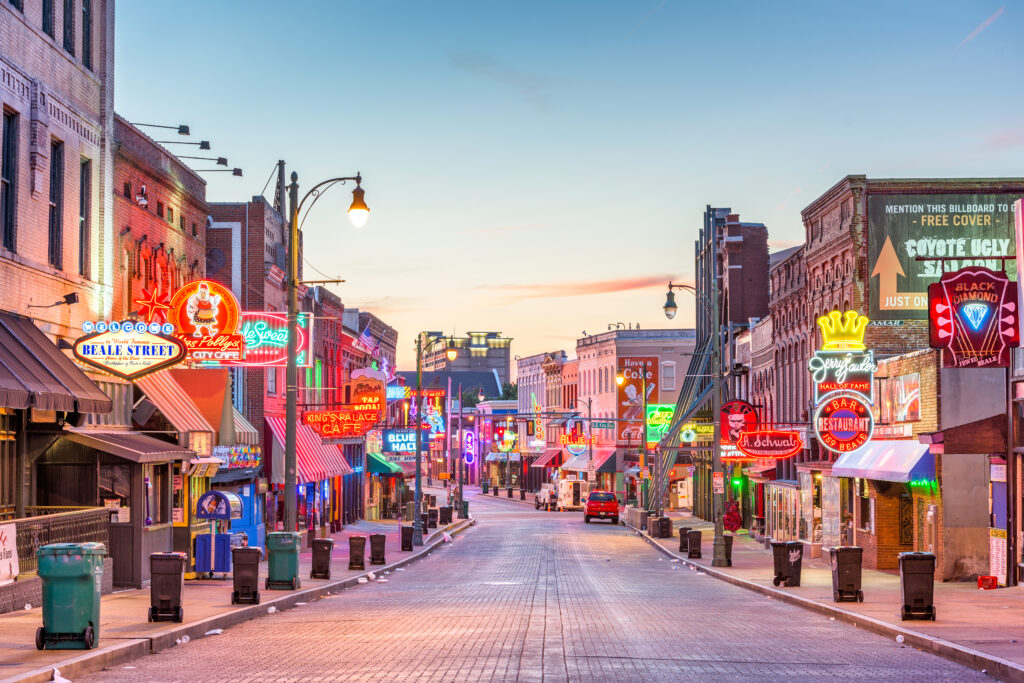
Memphis has a stronger claim than almost any other city to being the birthplace of modern American music. Sun Studio, where Elvis Presley, Johnny Cash, Jerry Lee Lewis, and Carl Perkins all recorded, is still a working studio and open for tours. Stax Records, on the other side of town, produced Otis Redding, Isaac Hayes, and Booker T. & the M.G.’s, pioneering the Memphis soul sound that influenced everything that followed.
The blues tradition runs deep. Beale Street is the most visible showcase, with live music every night, but the genre’s roots here trace back to the early 20th century when musicians from the Mississippi Delta migrated north. B.B. King got his start on Beale Street, and the Stax Museum of American Soul Music is one of the best music museums in the country.
For musicians today, Memphis is one of the more affordable cities on this list. The cost of living is low, studio time is accessible, and the community is tight-knit. The Royal Studios, where Al Green recorded his classic albums, still operates and works with both legacy and emerging artists.
Graceland draws the Elvis fans, but the city’s living music scene is what keeps it relevant. If you play blues, soul, R&B, or roots rock, Memphis offers a direct connection to the source material.
Seattle, WA: Beyond Grunge
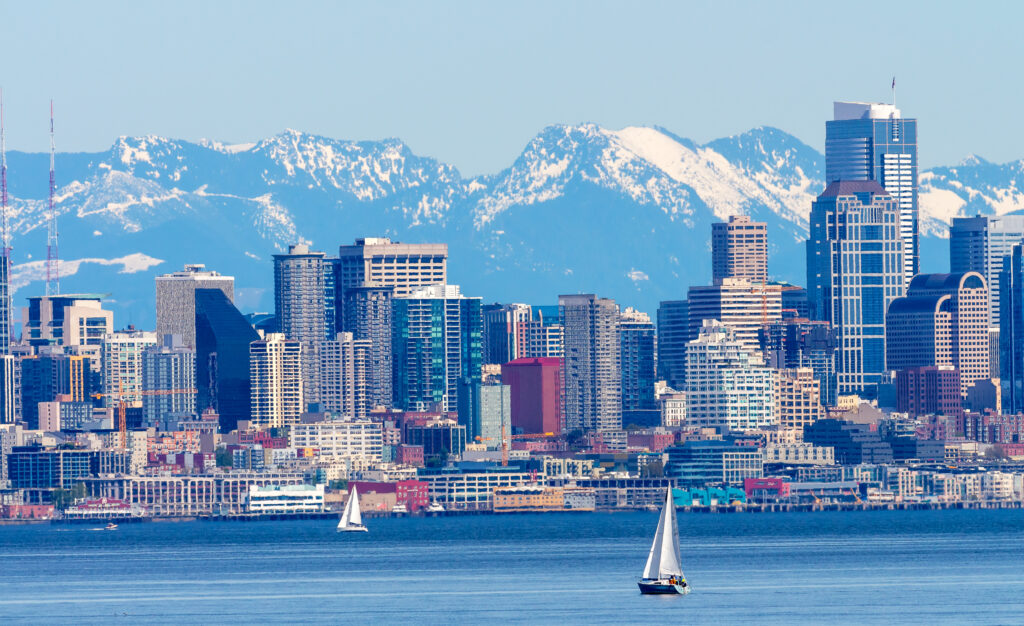
Seattle’s association with grunge is permanent and earned. Nirvana, Pearl Jam, Soundgarden, and Alice in Chains all came out of this city in the late 1980s and early 1990s, reshaping rock music in the process. Sub Pop Records, founded here in 1988, was the label that launched the movement.
But Seattle’s music scene has moved well past the 1990s. The city has a strong indie rock and indie pop circuit, with venues like Neumos, The Crocodile, and Tractor Tavern hosting shows most nights. The electronic and hip-hop scenes have grown substantially, with Macklemore being perhaps the most visible example of Seattle hip-hop breaking through nationally.
The Capitol Hill neighborhood remains the center of gravity. Record shops, venues, and music-adjacent businesses cluster within a few walkable blocks. The Museum of Pop Culture (MoPOP), designed by Frank Gehry, houses permanent exhibits on Jimi Hendrix, Nirvana, and broader music history.
Cost of living is a concern. Seattle has gotten expensive, driven by the tech industry, and musicians increasingly share houses or commute from cheaper nearby areas. But the audience for live music remains engaged, and the city’s rainy climate arguably helps: people go out to shows because staying home in the rain gets old.
Chicago, IL: Home of Blues and Jazz
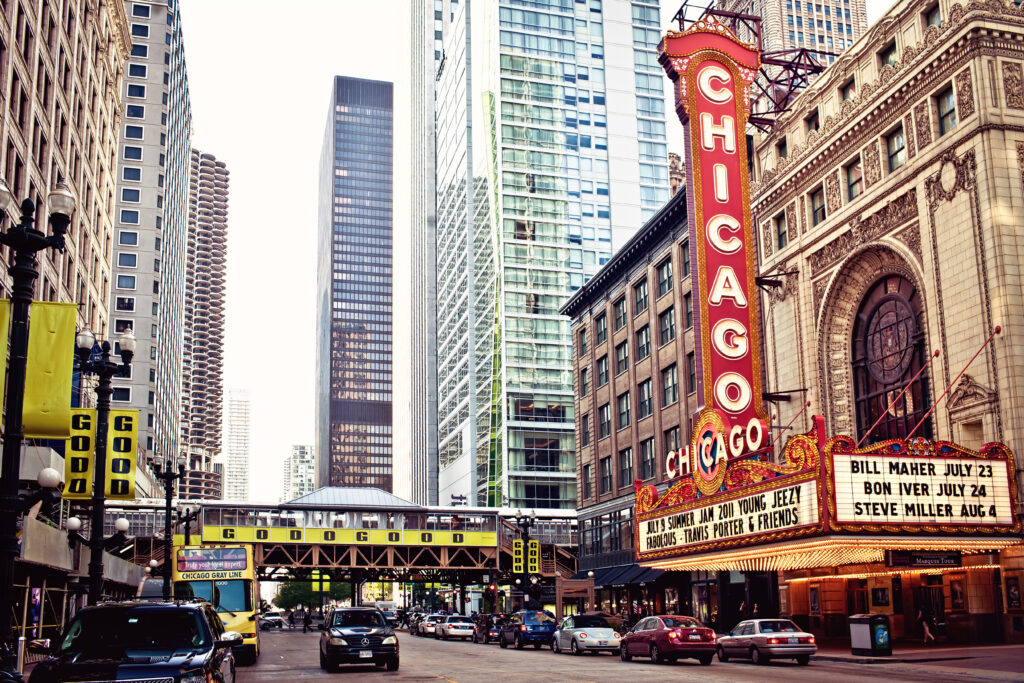
Chicago’s musical DNA is rooted in the Great Migration. When Black families moved north from the Mississippi Delta in the early-to-mid 20th century, they brought the blues with them and electrified it. Muddy Waters, Howlin’ Wolf (who relocated here from Memphis), and Willie Dixon built the Chicago blues sound at Chess Records, creating the template that rock and roll would borrow from for decades.
Jazz has an equally deep history here. Louis Armstrong moved to Chicago in 1922 and changed music forever. The Green Mill, a former Prohibition-era speakeasy, still hosts live jazz nightly and is one of the most atmospheric music venues in the country.
The modern scene extends far beyond blues and jazz. Chicago birthed house music in the 1980s at clubs like the Warehouse (which gave the genre its name). The indie rock scene produced Wilco, Smashing Pumpkins, and Chance the Rapper. Venues like the Empty Bottle, Thalia Hall, and Metro cover everything from punk to electronic to hip-hop.
For working musicians, Chicago offers a better cost-of-living ratio than New York or LA, with comparable depth of scene. Studio access is solid, the audience is knowledgeable, and the city’s history gives any performance a sense of weight.
New Orleans, LA: The Soul of American Music
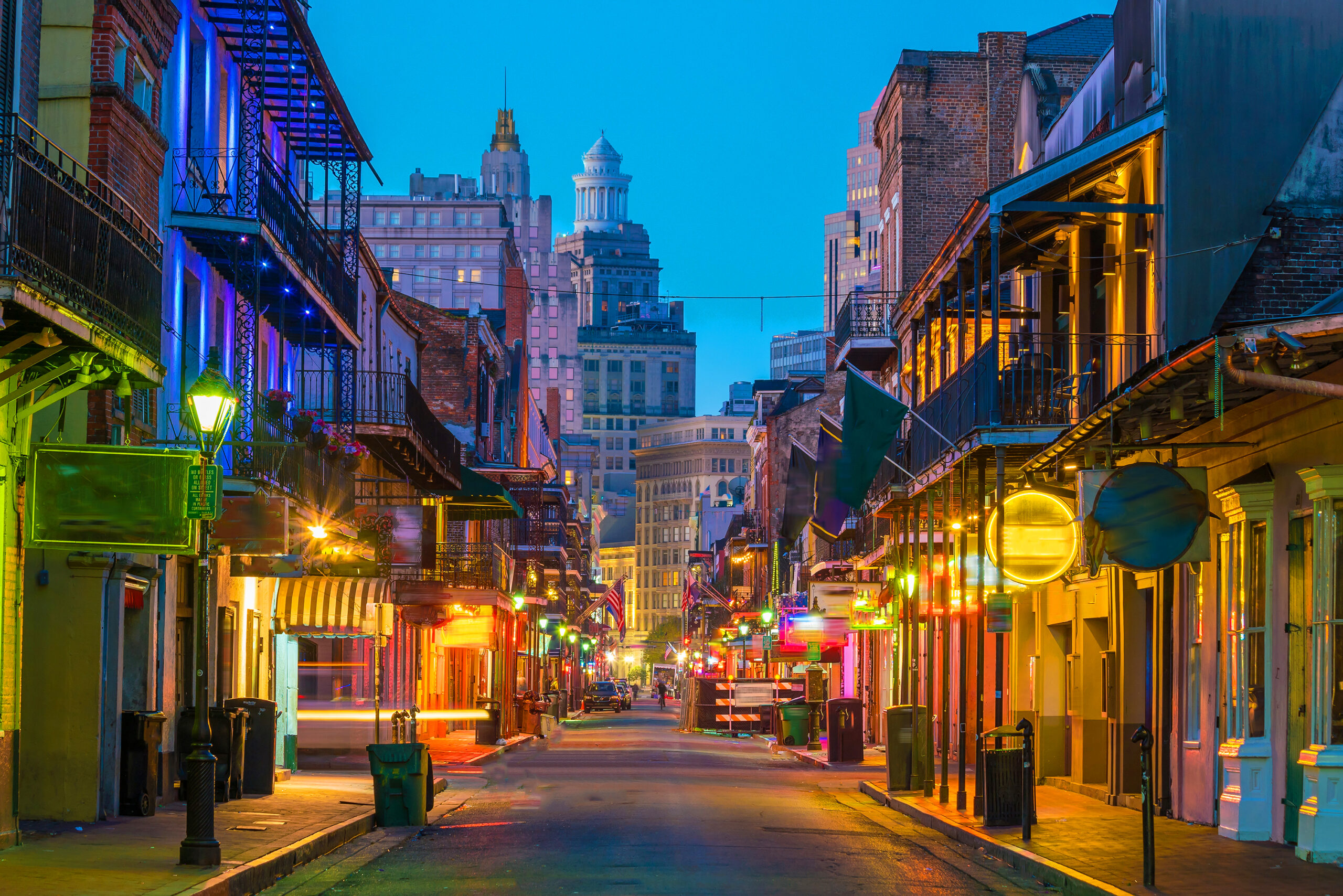
New Orleans has more music venues per capita than any other city in America: 7.07 per 100,000 residents according to the Insurance Canopy study. Jazz originated here at the turn of the 20th century, and the city has never stopped producing new sounds from that foundation.
Preservation Hall has been hosting traditional jazz since 1961 in a room with no stage, no bar, and no air conditioning. It is exactly what it should be. The Spotted Cat on Frenchmen Street is where locals go for jazz and swing. Tipitina’s, named after a Professor Longhair song, has been the city’s premier rock and funk venue since 1977.
The brass band tradition sets New Orleans apart from every other city on this list. Second line parades happen most Sundays, with brass bands leading processions through neighborhoods. This is living, participatory music, not a performance for tourists. The Rebirth Brass Band and Hot 8 Brass Band carry this tradition forward while incorporating hip-hop and funk elements.
Mardi Gras season brings the entire city’s musical culture to a peak, but the scene operates at a high level year-round. The cost of living is relatively low, and the city’s culture actively supports musicians as essential members of the community rather than disposable entertainment.
For musicians in genres like jazz, blues, funk, R&B, or brass band music, New Orleans is unmatched. If you want to record your own material and are inspired by these traditions, spending time here will change how you hear music.
Atlanta, GA: The Southern Hip-Hop Capital
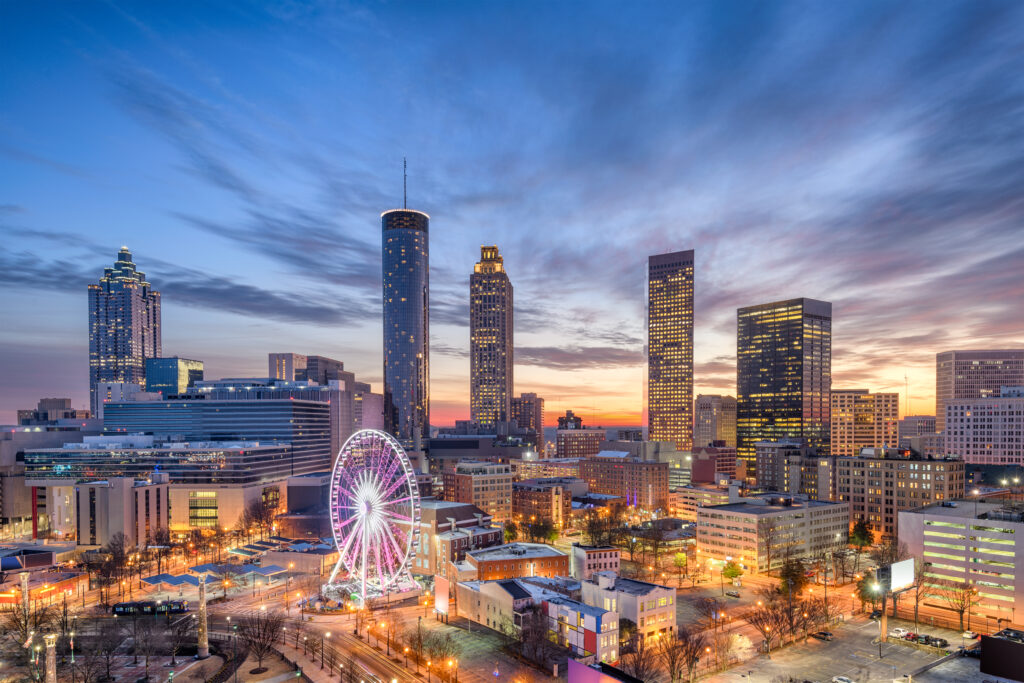
Atlanta reshaped hip-hop. OutKast proved in the 1990s that Southern rap could be as innovative and critically acclaimed as anything from New York or LA. Then trap music emerged in the early 2000s from Atlanta’s Bankhead neighborhood, defined by 808 drum machines, rapid hi-hats, and heavy bass. Producers like Zaytoven, Metro Boomin, and Mike WiLL Made-It built the sonic template that now dominates mainstream pop and hip-hop worldwide.
The city continues to produce stars at an extraordinary rate. Future, 21 Savage, Lil Baby, and Gunna are recent examples, but the pipeline runs deeper. Atlanta’s recording studios, particularly those in the Edgewood and East Atlanta corridors, are where much of contemporary hip-hop gets made.
Beyond hip-hop, Atlanta has a thriving R&B scene and growing indie rock presence. The Masquerade, 529, and Aisle 5 serve the alternative and rock crowds. The city’s affordability relative to coastal cities makes it attractive for musicians at all career stages. Rent.com’s analysis ranked it among the top five cities for musicians based on a combination of music business density, cost of living, and the percentage of the population in music-related occupations.
Miami, FL: Latin and Electronic Music Hub
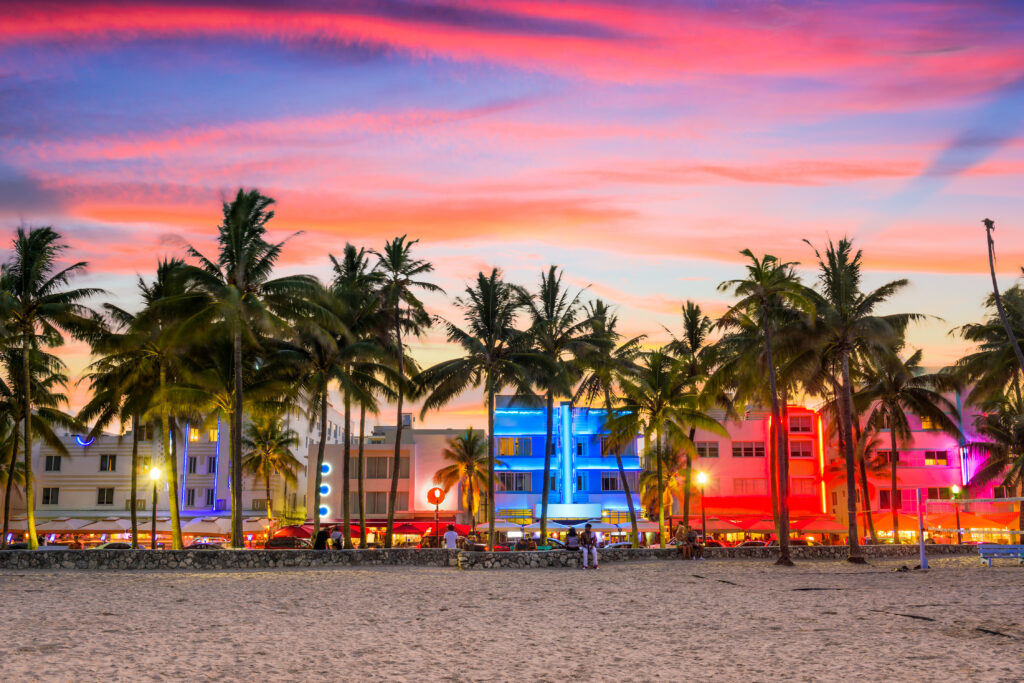
Miami’s music identity comes from two forces: its deep Latin American roots and its status as a global capital of electronic dance music.
The Latin influence is everywhere. Little Havana’s clubs feature live salsa, son, and reggaeton. Colombian, Venezuelan, Brazilian, and Caribbean musical traditions blend across neighborhoods. This cultural mix makes Miami unlike any other American music city, with sounds you simply will not hear performed live anywhere else in the country.
On the electronic side, Ultra Music Festival is one of the largest EDM events in the world, drawing hundreds of thousands to Bayfront Park each March. Club Space in downtown Miami runs marathon DJ sets that can last from Saturday night to Monday morning. The club’s sound system and booking are world-class.
The catch is cost. Clever Real Estate’s analysis ranked Miami as the worst overall city for music fans due to expensive concert tickets averaging $166, compared to a $126 national average, and an extremely low number of small venues. If you are a working musician playing bars and small clubs, Miami is a tough market. But if your genre is Latin, electronic, or some fusion of both, the audience and infrastructure are here.
Detroit, MI: Motown and Techno Roots
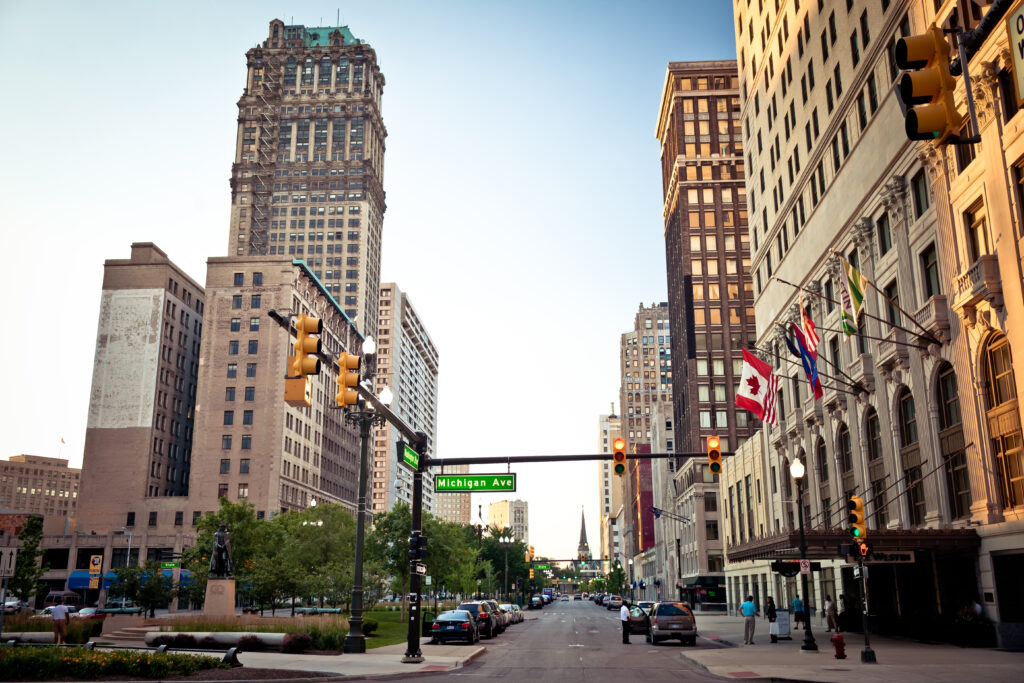
Detroit gave the world two of the most influential musical movements of the 20th century: Motown and techno.
Berry Gordy founded Motown Records in 1959 at 2648 West Grand Boulevard, a house he called Hitsville U.S.A. From that building came Stevie Wonder, The Supremes, Marvin Gaye, The Temptations, and dozens of other artists who defined American pop music. The Motown Museum occupies the original building and is essential visiting.
In the 1980s, Juan Atkins, Derrick May, and Kevin Saunderson invented techno in Detroit, drawing on Kraftwerk, Parliament-Funkadelic, and the city’s industrial character. The Movement Electronic Music Festival, held annually on Memorial Day weekend, celebrates this legacy and draws DJs and fans from around the world.
Detroit is one of the most affordable cities on this list. Musicians can find cheap rehearsal space and housing, and the city’s creative community is collaborative rather than competitive. The live scene spans blues bars, jazz clubs, hip-hop venues, and DIY spaces across Midtown, Corktown, and Hamtramck. If you are looking for a city where you can live cheaply and focus on making music, Detroit deserves serious consideration.
Denver, CO: A Growing Live Music Destination
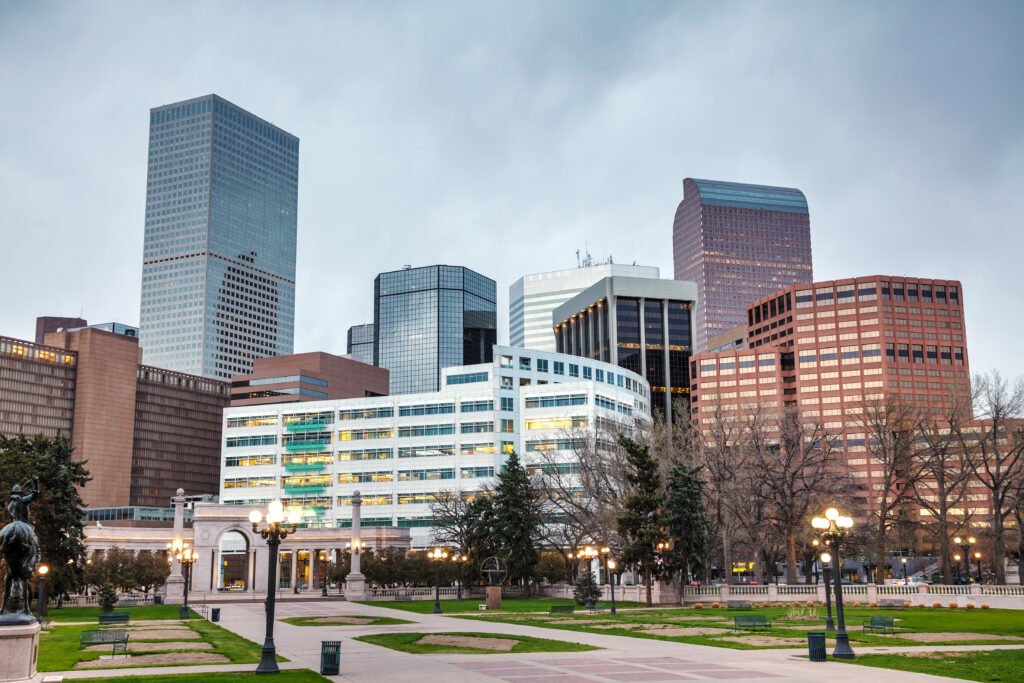
Denver’s music scene benefits from one of the best live music venues in the world: Red Rocks Amphitheatre. The naturally formed sandstone amphitheater outside the city has hosted everyone from The Beatles to Deadmau5, and its acoustics are genuinely remarkable. But Red Rocks is the headline, not the whole story.
The city has a dense circuit of mid-size and small venues. The Mission Ballroom, which opened in 2019, quickly became one of the best-sounding rooms in the country. The Gothic Theatre, Bluebird Theater, and Larimer Lounge anchor the local indie and rock scenes. The hi-dive and Globe Hall serve as incubators for emerging artists.
Denver’s genre range skews toward jam bands, bluegrass, indie rock, and electronic music, fitting the city’s outdoor culture. The Westword Music Showcase highlights local talent annually. The cost of living is moderate by coastal standards, though it has risen in recent years.
For musicians who want a strong live scene, access to great venues, and a supportive local audience without the crushing costs of New York or LA, Denver is worth exploring.
Philadelphia, PA: Deep Roots in Hip-Hop and Rock
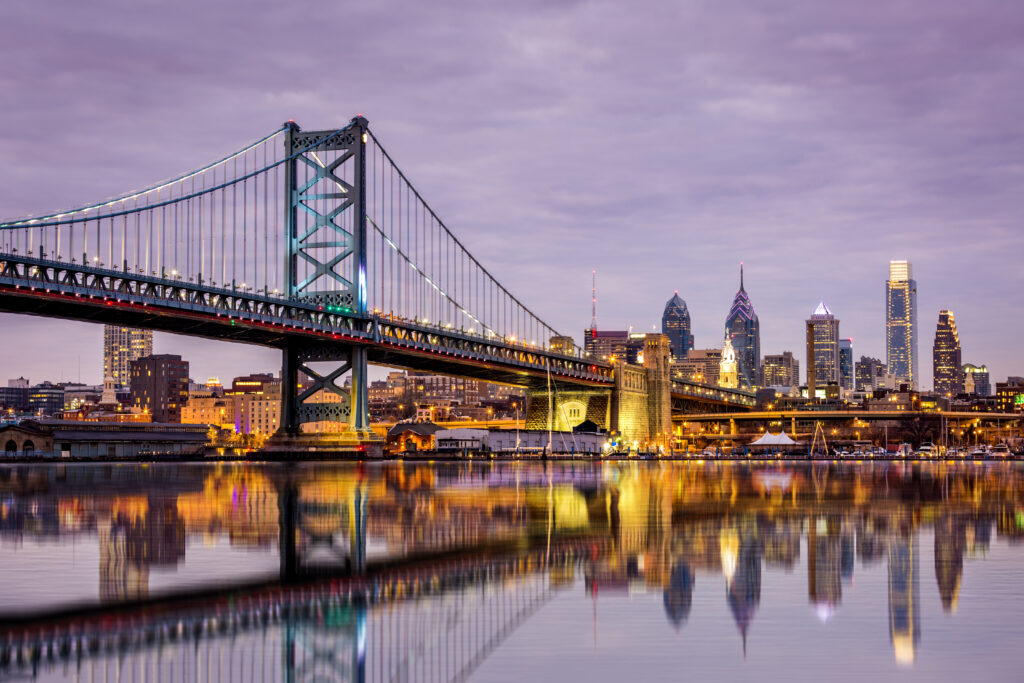
Philadelphia punches above its weight musically. The city’s hip-hop lineage runs from DJ Jazzy Jeff & The Fresh Prince in the late 1980s through The Roots, Eve, Beanie Sigel, and Meek Mill. The Roots, in particular, demonstrated that a live hip-hop band could achieve both commercial success and critical respect, a model that influenced countless artists.
The rock and indie scene is equally established. The Fillmore, Union Transfer, and Johnny Brenda’s cover different tiers of the touring circuit. World Cafe Live connects to WXPN, one of the most influential public radio stations for music discovery in the country. Underground Arts and Kung Fu Necktie serve the punk, noise, and experimental crowds.
Philly’s advantage for working musicians is affordability. Rent is substantially lower than New York (just 90 miles north), and the music community is tight enough that word of mouth still matters. The city produces a disproportionate number of session musicians and producers relative to its size.
If you are learning an instrument and want to be in a city where you can afford to develop your skills while having access to a real, active scene, Philadelphia is one of the smartest choices on the East Coast.
San Francisco, CA: Psychedelic Roots, Modern Innovation
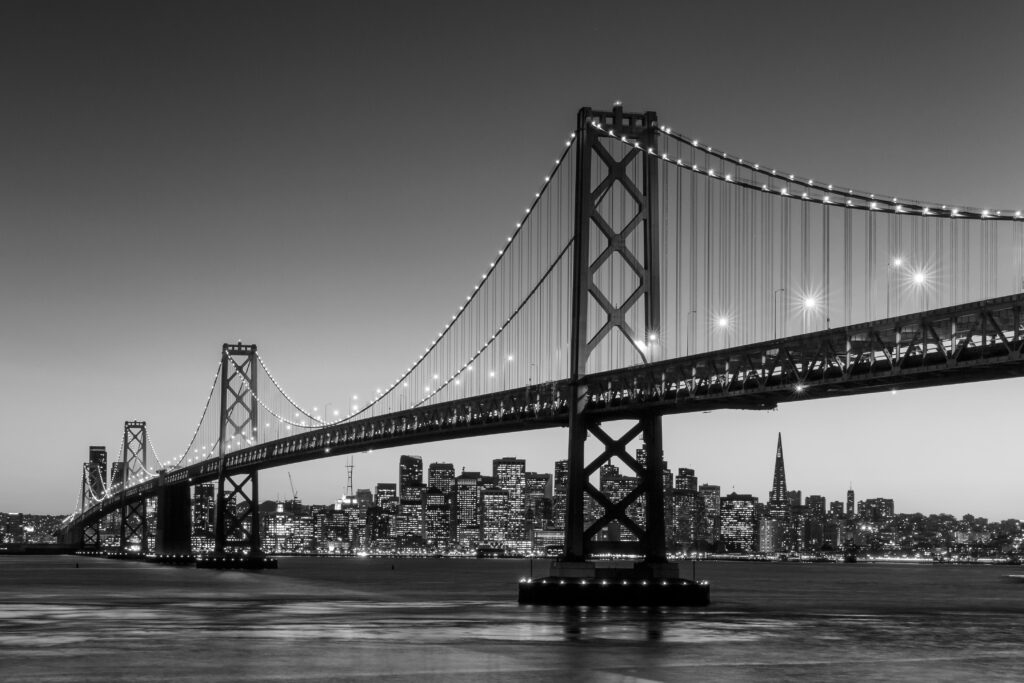
San Francisco’s musical legacy begins with the 1960s counterculture. The Grateful Dead, Jefferson Airplane, Janis Joplin, and Big Brother and the Holding Company all came out of the Haight-Ashbury scene. The Fillmore Auditorium, operated by promoter Bill Graham, was ground zero for psychedelic rock and remains an active venue today.
The modern scene is smaller than it once was, squeezed by the same tech-driven cost increases that have transformed the entire city. But what remains is good. The Chapel in the Mission District is one of the best small venues on the West Coast. Bottom of the Hill has been a punk and indie staple since 1991. The jazz scene, centered around venues like the SF Jazz Center (a purpose-built concert hall that opened in 2013), is world-class.
Average weekly wages for musicians in San Francisco are around $1,300, decent but not enough to cover the city’s extreme cost of living without supplemental income. Many musicians have been priced out to Oakland, which has developed its own vibrant and arguably more interesting scene in recent years.
Portland, OR: Alternative Sounds in the Pacific Northwest
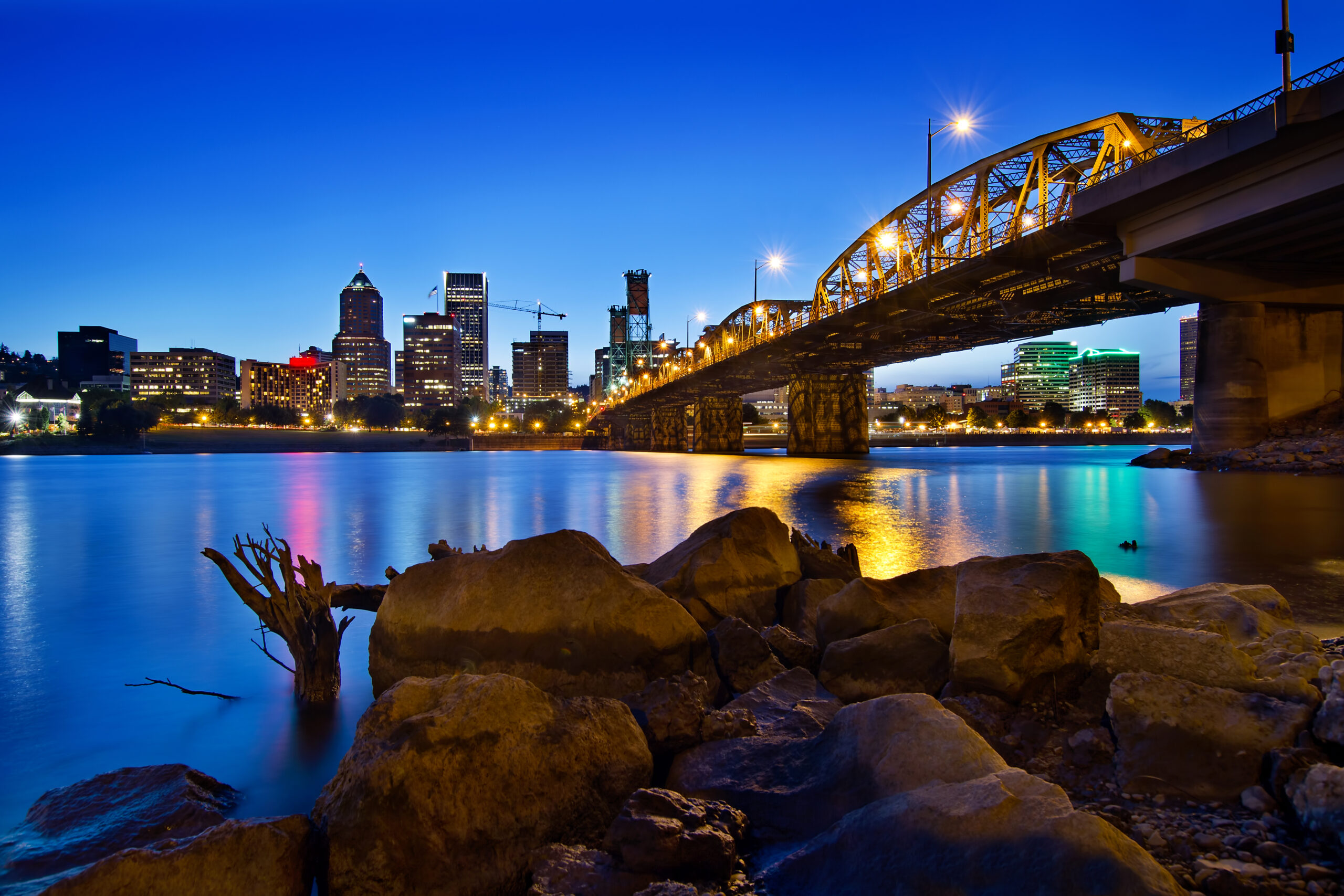
Portland’s music scene benefits from a culture that actively supports independent art. The city has a high density of small venues, record shops, and DIY spaces relative to its size. McMenamins Crystal Ballroom, Mississippi Studios, Doug Fir Lounge, and the Aladdin Theater cover a range from intimate to mid-size, and all of them book adventurous lineups.
The genre identity leans indie, alternative, and experimental. Sleater-Kinney, The Decemberists, and Modest Mouse all have Portland connections. The city has also developed a strong electronic music scene and a growing hip-hop community.
Portland musicians earn a decent average weekly wage of about $1,228, and the cost of living, while rising, remains below Seattle and far below San Francisco. Between working gigs, teaching, and the city’s general friendliness toward creative types, it is possible to sustain a music career here without a six-figure day job. For musicians who prefer a smaller, more community-oriented scene to the competition of major metros, Portland delivers.
Honorable Mentions
A few cities that do not get the national spotlight but deserve attention:
Cleveland, OH — Home of the Rock & Roll Hall of Fame and a strong local scene anchored by venues like the Beachland Ballroom. Good pay for musicians (around $1,900/week average) and five accredited music schools make it a solid choice for career development.
Minneapolis, MN — Prince’s hometown has a music culture that far exceeds what you would expect from its size. First Avenue, the club featured in Purple Rain, is still one of the best mid-size venues in the Midwest.
Honolulu, HI — A distinct sound that blends Hawaiian folk traditions, reggae (locally called Jawaiian), and Polynesian rhythms. Not a career launchpad for most genres, but a musically rich place unlike anywhere else in the country.
Tupelo, MS — Elvis Presley’s birthplace and home to an annual Elvis Festival. A small town, but one that punches above its weight in preserving and celebrating early rock and roll history.
Choosing the Right City
The best city for you depends on what you need. Here is a practical framework:
- Building a career in the music industry (studios, labels, publishing): Nashville, LA, or New York.
- Maximum live music opportunities: Austin, New Orleans, or Nashville.
- Affordability while developing your craft: Detroit, Memphis, Philadelphia, or Atlanta.
- Genre-specific scenes: Atlanta for hip-hop, New Orleans for jazz and brass band, Chicago for blues, Seattle or Portland for indie rock, Miami for Latin and electronic.
- Learning and education: Cleveland and Hartford both have high concentrations of accredited music schools.
If you are just starting out and want to take lessons or develop your skills before relocating, most of these cities also have strong online communities and remote collaboration tools that let you connect with musicians there before committing to a move.
Whatever city you choose, the pattern is the same: show up, go to shows, meet other musicians, and play as much as you can. The scene does not come to you. You have to go find it.